Imperial College project
Capturing a once-only breaking-ground ceremony for one of the UK's leading research universities: a film built to serve internal communications, donor engagement, and long-term archive from a single production window.
Corporate Video Production for Imperial College's School of Public Health
Imperial College London is one of the UK's leading research universities. In April 2021, they reached a milestone that had been years in the making: the breaking of ground on a new School of Public Health at their White City campus in west London.
The moment mattered on multiple levels. For the academics and engineers who had driven the project forward, it was the visible start of something significant. For the institution's leadership, it was a statement of ambition: a flagship facility for public health research, at a time when the field had never been more important.
Sparkly Light Productions was brought in to capture it.
The brief was more complex than a single celebratory film. Three distinct purposes needed to be served by one production.
The first was internal communications: a film that marked the occasion for the institution itself, documenting the breaking-ground ceremony with the academics and engineers present.
The second was donor engagement: a persuasive, broadcast-quality piece that Imperial College could take to outward-facing events and use to make the case for investment. The narrative needed to point forward, positioning the new School of Public Health as the future of the field and giving potential donors a reason to be part of it.
The third was archive: high-quality material to be stored and drawn on for future productions and campaigns, including additional filming at the nearby Centre for Air Pollution with lead scientist Frank Kelly.
One production. One shoot window. All three purposes had to be served.
What the Film Needed to Do
Results: A Film Built for Now and for Later
All three deliverables were completed.
The edited film was delivered for Imperial College's website and for use at outward-facing donor events: broadcast-quality content that served both the internal communications brief and the donor engagement goal within a single production. The narrative pointed toward the institution's future campaign objectives, as the brief required.
The library aerial integration worked as planned. The aerial shots reviewed in pre-production cut seamlessly with the new rushes: a direct result of shooting with the existing material in mind from the start rather than attempting to reconcile different styles in the edit. Seamless integration of library and newly shot material was, in Glenn Barton's own assessment, the proudest achievement of the production.
The archive material from the Centre for Air Pollution, including rushes featuring lead scientist Frank Kelly, was delivered separately for future campaigns. Securing broadcast-quality archive in the same production window as the primary film is one of the more lasting things a production team can do for a client: material stored and ready when the next campaign requires it.
Imperial College commissioned a follow-on project with Sparkly Light: a filmed conversation on the subject of climate change, again for internal use.
The Approach: Planning for the Unrepeatable
Structuring the Narrative Before the Shoot
The production began with scripting. With three purposes to serve and a shooting day built around an irreversible ceremony, the narrative structure needed to be in place before the first camera was set up. Scripting the arc in pre-production meant every element captured on the day, from the ceremony itself to the academic interviews to the laboratory shots, was framed with the donor engagement goal already in mind, not assembled retrospectively in the edit.
Getting Ready Before the Day
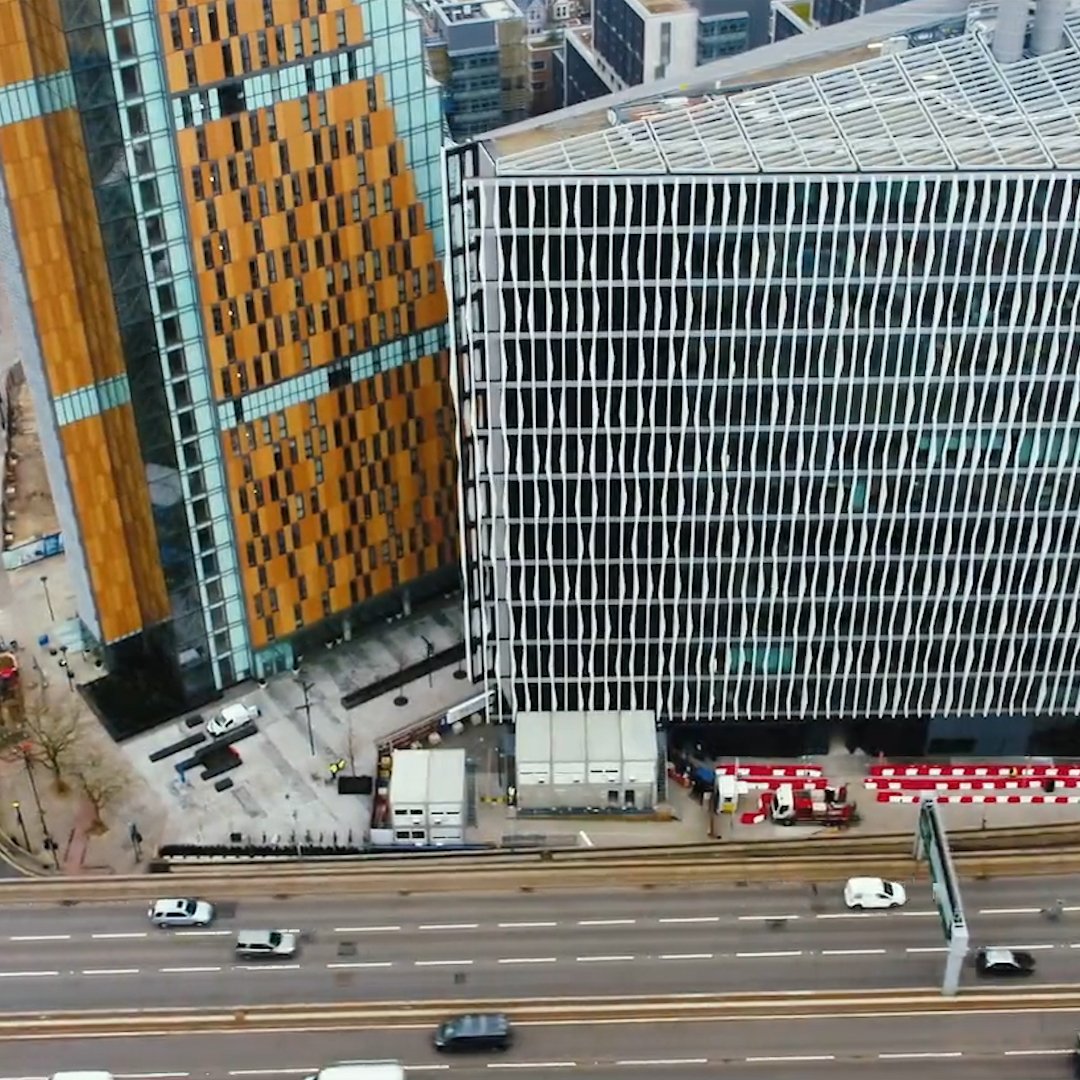
Before the shoot, the team reviewed existing library material, including aerial shots of the White City site, to understand how the new production rushes would need to be framed and graded to integrate seamlessly in the edit. Knowing what the library material looked like before setting foot on location meant the camera team could shoot with the edit already in mind: matching angles, light, and tone to what they had already assessed. This kind of pre-production research is the difference between rushes that cut together and rushes that have to be forced together in post-production.
The team also made early contact with each interviewee before the shoot day. In speaking with the Imperial College production contact, it became clear quickly that the key academics and scientists would be pulled in multiple directions on the day, with limited time available for filming. Rapport built in advance meant the interview process could move efficiently without losing warmth or quality.
Bringing the editor on site from day one shortened the gap between shoot and delivery: material shot in the morning could be assessed and logged by the afternoon, with no handoff delay between the filming team and post-production.
A Lean Crew Built for the Environments
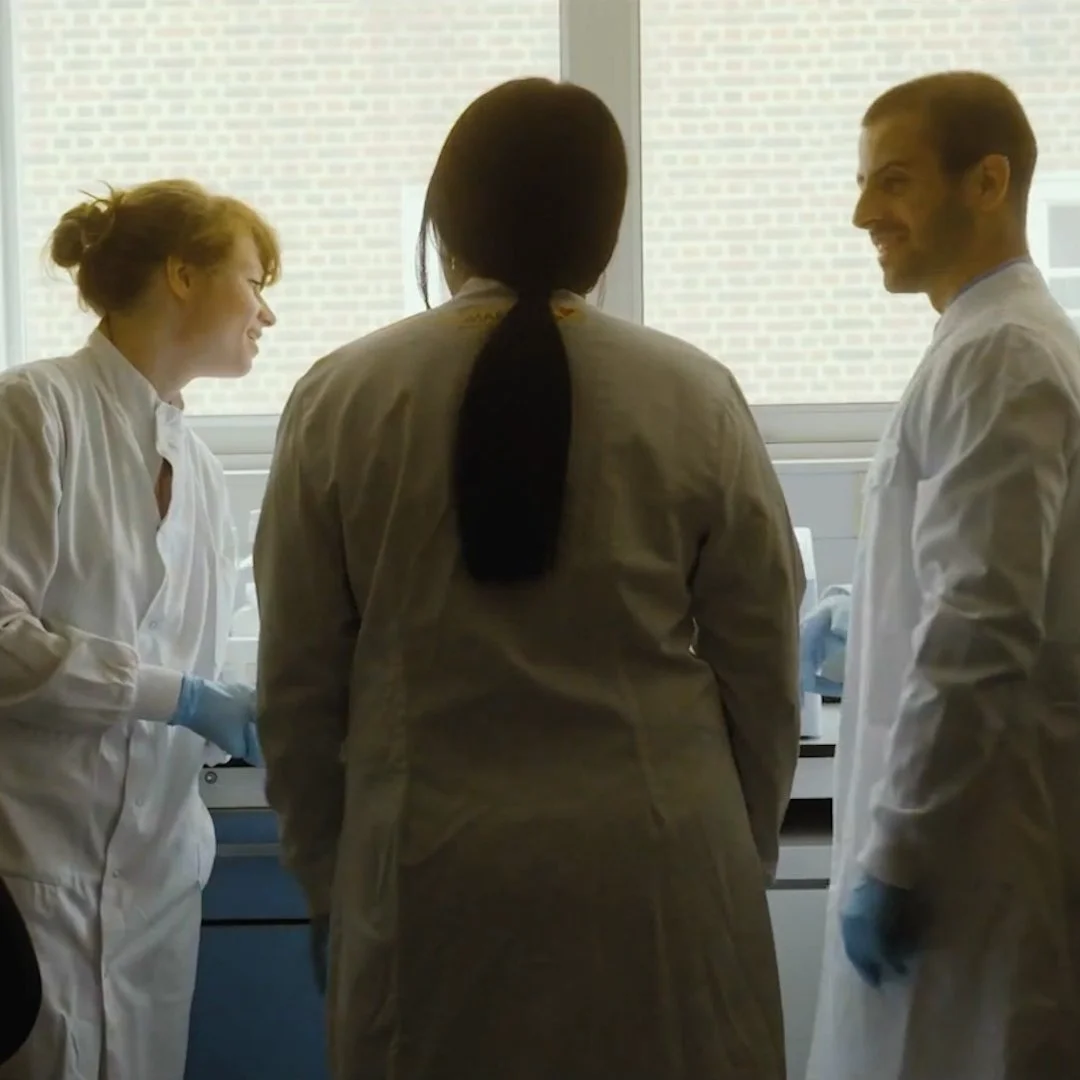
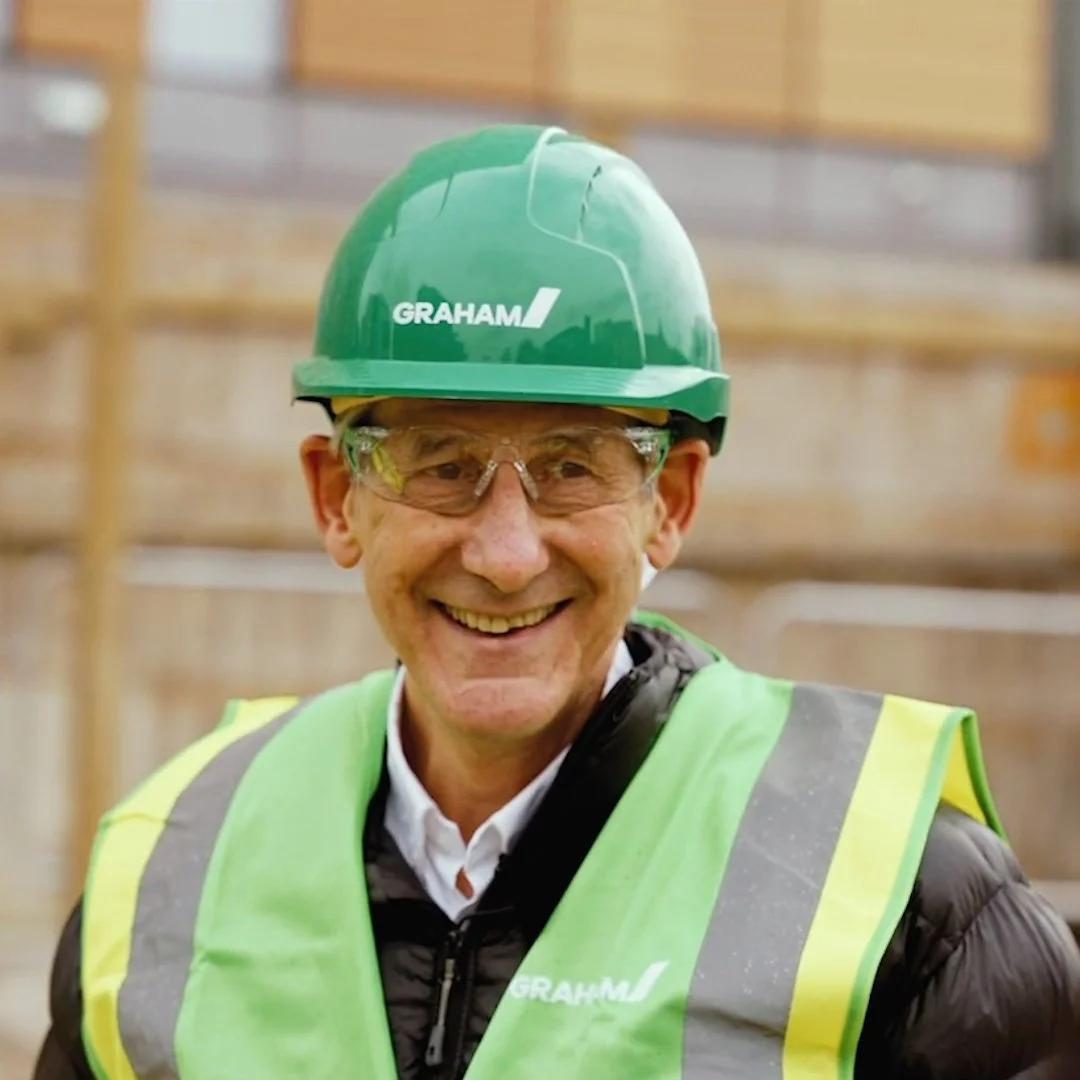
The production environments on this project required a particular approach to crew size. Inside the laboratories, the facilities are precise, sensitive, and operational. A large crew would have been cumbersome and intrusive, with real risk of disrupting the work happening around them. On the building site, formal health and safety requirements applied: the team wore specialist PPE throughout the site filming, an additional logistical layer that had been planned for specifically in pre-production.
A small, focused team was the right production decision for both environments. Fewer crew members meant fewer variables to manage on a site where the safety briefing alone demands attention. It also meant the team could move through the laboratory with genuine care for the scientists and their work.
Sparkly Light crews bring to environments like these a natural curiosity and respect for other disciplines. That quality, a sincere interest in the work happening around them, not just the work they are there to film, is what makes scientists comfortable with a camera in their laboratory and academics willing to give a filmed interview on the most significant day of a project they have spent years building toward.
The logistical discipline this required had been considered explicitly in pre-production. It was not an improvisation on the day.
Splitting the Crew to Be in Two Places at Once
One of the key interviews was conducted on the 25th floor of an Imperial College building, against a floor-to-ceiling window with a panoramic view across London. Without the right preparation, a location like this creates a significant exposure problem: the camera must balance the bright exterior with the subject in the foreground, and the result is either a silhouette or a blown-out skyline.
The team pre-rigged neutral density filters and scrim before the interviewee arrived, managing the light so the view became an asset rather than an obstacle. This setup was happening simultaneously with filming at the building site below: the crew split to cover both locations in parallel, so no time was lost and no moment went uncaptured while the other location was being prepared.
The Imperial College contact would not have seen any of this happening. That invisibility is exactly how good production management is supposed to work.
An Unplanned Detail, Filmed From the Inside Out
An architectural model of the proposed building was available on the day: a physical scale representation of what the new School of Public Health would look like when complete. It had not been in the original brief.
Working with specialist camera operator Chris Goor, the team used macro and slow-motion camera modes to film the model at close range, producing shots that placed the viewer inside a building that did not yet exist. The technique gave the proposed facility a sense of scale and ambition that a standard wide shot could not have communicated. The resulting material found its way into the edit, where it was highly effective. Editorial instinct, acted on.
Capturing the Moment That Could Not Happen Again
A breaking-ground ceremony happens once. There is no second take, no rescheduled moment, no opportunity to return if a shot is missed.
When the digger broke ground, the academics and engineers who had spent years building toward that moment were gathered around it. The weight of what they were watching was visible in the way they stood and watched. Sparkly Light's production team, already in position across the site, filmed it as it happened. The timetable knowledge built in pre-production meant they were ready before the moment arrived.
““There was no breaking ground a second time after all. We had to capture that moment as and when it happened.””
If your organisation has a milestone, a ceremony, or a production window that cannot be rescheduled, the brief and the crew need to be right before the day. There is no second opportunity.
Get in touch to talk through what you need captured and when it needs to happen.